
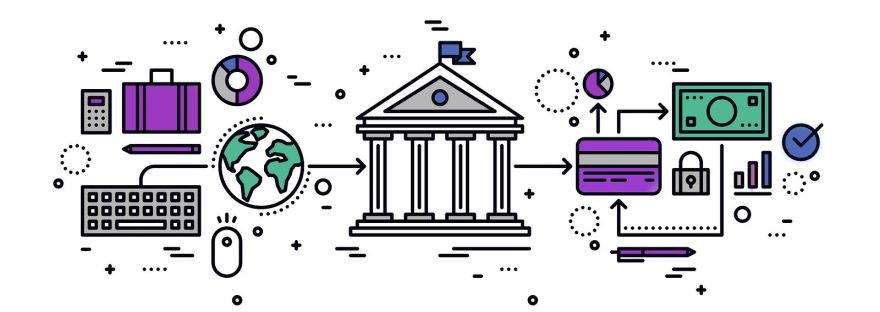
In today’s rapidly evolving digital economy, traditional business models are being overtaken by technology-driven innovations. The banking industry, a cornerstone of the global economy, is no exception. While legacy banks have long been trusted for their reliability in safeguarding money and data, fintech startups are capturing the market’s attention with their innovative products and customer-centric values. This dynamic shift highlights the need for banks to transition from a pipeline business model to a platform-based approach, ensuring they stay relevant in the modern digital landscape.
The Dichotomy of Trust in Banking
Trust in banking is built on two pillars: reliability and regard. Reliability encompasses a consumer’s confidence that their financial institution will protect their assets and data and treat them fairly—an area where traditional banks excel due to their longstanding presence and stringent regulatory adherence. Regard, on the other hand, involves being highly esteemed through innovative offerings and demonstrated values, a domain where fintech startups thrive. These startups are agile, often more customer-focused, and adept at leveraging cutting-edge technology to enhance user experience.
From Pipelines to Platforms: A Paradigm Shift
Historically, banks operated on a pipeline business model, where they developed and refined services to offer directly to customers via physical branches and secure online portals. This model, while effective in a pre-digital age, falls short in addressing the dynamic needs and expectations of today’s tech-savvy consumers.
The transition to a platform model represents a significant shift. Unlike the linear value creation and delivery process of pipelines, platforms facilitate interactions and value exchanges between multiple participants—consumers, service providers, and third-party developers. This shift requires banks to rethink their role from being service providers to becoming orchestrators of an ecosystem.
Embracing Platformification
Platformification is not a novel concept but applying it to banking is groundbreaking. At its core, a platform is a digital marketplace where various stakeholders can engage in exchanges, similar to traditional marketplaces. For banks, adopting platformification involves creating open, digitally integrated platforms that foster collaboration and innovation.
According to the Harvard Business Review, a successful platform must meet three key criteria:
- Ease of integration: It should be simple for new participants to plug into the platform.
- Attraction of participants: It must draw both producers (e.g., fintech companies) and consumers (e.g., bank customers).
- Facilitation of value exchange: It should enable seamless value creation and exchange among participants.
The Role of Open Banking
Open Banking is a prime example of platformification in action. It enables banks to create ecosystems where various stakeholders can co-create solutions, leveraging APIs to share data and services securely. This approach not only enhances customer experience but also drives innovation and broadens the customer base.
For banks to transition successfully from pipelines to platforms, they need to shift their focus from controlling resources internally to orchestrating them externally. This involves fostering partnerships and interactions with fintech companies, developers, and other third-party providers, creating a symbiotic relationship that benefits all parties involved.
The Future of Banking: A Collaborative Ecosystem
The rapid pace of technological advancement means banks cannot keep up on their own. Platformification offers a path forward by building relationships with API providers and other tech entities, allowing banks to tap into new capabilities and reach wider audiences. This collaborative approach enables banks to deliver more robust and innovative financial services.
In conclusion, the digital economy is reshaping the banking industry, compelling banks to move from traditional pipeline models to dynamic platform ecosystems. By embracing platformification, banks can maintain their reliability while enhancing regard through innovative, customer-centric solutions. This transformation is not just about staying relevant; it’s about leading the future of banking in a digital world.
 Indrajit Roy Choudhury
Yes, banks have to come out of their traditional shell and adopt new fintech products for better customer experiences. Nowadays, people are used to platforms like Amazon, which seems to be a dream for banks now. 🙂
You’re right, Nilanjana.
I think it is a continuous process of evolution. Platforms of a kind have been there in the US for many decades with smaller banks, unable to create their own, have used. Indian IT companies also created banking platforms. Fintech companies are rewriting the rules once again.
Now the platforms are open banking platforms, where banks encourage developers to develop apps almost like Apple, Google. This is a sort of symbiosis of banks and fintech developers.
VERY NICE INDRAJIT……….please see my blogs too…… currently I am writing THE LEGENDS OF THE PYRAMIDS
Thanks, Pranav. Will definitely check your blog.
For reasons best known to the site, it’s not accepting my “likes” 🤪😜
You can “Like” it if you really like from your heart. 😉
BTW your “Like” is registered. 😀
Thanks, buddy.