The importance, of being correct and precise, is often highlighted in tasks and projects. However, an experience from a rural bank reveals that consistency, ensured uniformity and reliability, can sometimes outweigh accuracy. Both are pivotal in different contexts, like in software interfaces, record-keeping, and banking. Yet, depending on the situation, one could be more important than the other - consistency helps prevent errors and confusion, while inaccuracy can lead to significant losses.

Author: Indrajit Roy Choudhury
First Digitization of a Bank in Iraq: Momentous Feat
The Trade Bank of Iraq (TBI) transformed the country's banking sector through the adoption of a centralized core banking system in 2010, despite political instability and infrastructural challenges. The system, implemented in partnership with London-based Misys, revolutionized daily banking operations, such as deposit management, trade finance, and financial record keeping. The initiative marked a significant milestone for Iraq's banking, facilitating financial inclusion and digital innovation, and set new standards for efficiency and accessibility in the sector.
Central Bank Digital Currency in India: A Game-Changer for the Indian Economy
Central Bank Digital Currency (CBDC) is the latest buzzword in the world of finance and banking. The Indian government has taken a major step towards digitization by launching a CBDC wallet. This move is expected to revolutionize the way financial transactions are conducted in the country. While there are some challenges associated with using digital currencies, the benefits outweigh the risks. As India moves towards a more digital economy, it is imperative that we embrace new technologies such as CBDCs to ensure greater financial inclusion and security.
Target-Oriented or Impact-Oriented Approach: Which One Will You Choose?
Target-oriented or impact-oriented programmes refer to initiatives that are designed to achieve specific objectives or outcomes. These programmes are typically developed with a clear understanding of the desired results and the steps necessary to achieve them. The effectiveness of target-oriented or impact-oriented programmes is often measured by their ability to achieve their stated objectives and produce tangible results. As such, careful planning and monitoring are essential to ensure that these programmes are successful in achieving their intended outcomes.
The Indian Rupee’s Rising Global Profile: A New Era of International Trade
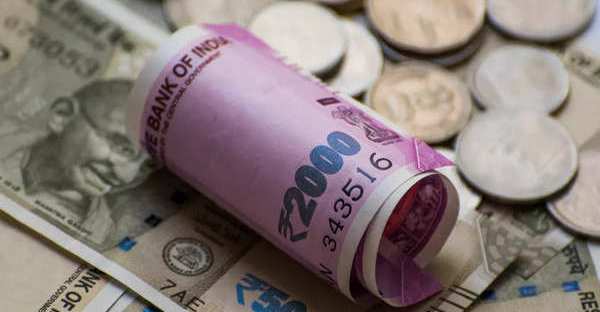
The Indian rupee (INR) is gaining international acceptance, with 18 countries agreeing to trade in INR, and the UAE considering settling trade in rupee-dirham. Trading in INR offers benefits such as reduced exposure to exchange rate fluctuations, lower transaction costs, and enhanced economic sovereignty for India. While India aims for international currency status, challenges remain, including exchange rate volatility and capital flow restrictions. Despite challenges, INR's growing international use enhances India's economic influence and stability.
The Credit Suisse Collapse: What Went Wrong & What Are the Lessons?
Credit Suisse was once one of the world's leading banks, with a reputation for innovation and excellence. But in March 2023, it shocked the financial world by announcing that it had run out of cash and was being taken over by its rival UBS. How did this happen? And what can other banks learn from its demise? Credit Suisse's collapse is a cautionary tale for all banks that want to survive and thrive in the post-pandemic era. They need to be agile, customer-centric, and responsible if they want to avoid becoming obsolete or irrelevant.
Silicon Valley Bank: How Does a Bank Collapse in 48 Hours?
Silicon Valley Bank (SVB) was a well-capitalized institution seeking to raise some funds. Within 48 hours, a panic induced by the very venture capital community that SVB had served and nurtured ended the bank’s 40-year run. While relatively unknown outside of Silicon Valley, SVB was among the top 20 American commercial banks, with US$209 billion in total assets at the end of last year. Faced with higher interest rates, loss of IPOs, and a funding drought, SVB’s clients began pulling money out of the bank. Lenders somewhat similar to SVB are in an unfortunate situation. A failure to protect deposits over $250,000 could cause a loss of faith in other mid-sized banks. Analysts said SVB’s collapse is unlikely to set off the kind of domino effect that gripped the banking industry during the financial crisis.
Sweating Through Change: My First Major Reform in Banking
The narration reflects on my experience at Punjab National Bank during significant process changes in the 1990s. It emphasizes the challenges and responsibilities of implementing a new loan classification system amidst concerns about profitability. Ultimately, teamwork and commitment led to a successful transition, instilling trust and efficiency in the bank's operations.
Greed, Stupidity, & the Looming Recession: Lessons from a Samosa Seller
Banwarilal's samosa business serves as a parable for economic downturns, highlighting the impact of greed and poor decision-making. His son's fear-driven cost-cutting measures nearly led to the business's collapse during a recession. Returning to ethical practices, Banwarilal revived his business, illustrating the importance of quality and ethics for sustainable success. This story emphasizes the need for responsible and far-sighted economic practices to prevent future crises.
The Looming Specter of Recession: A Global Concern with an Indian Twist
Since the COVID-19 pandemic, the threat of global recession has grown due to central banks' efforts to control inflation. While advanced economies may face recession, India could see relief from falling global commodity prices. However, India's export and investment outlook may be affected by a potential US recession. Despite global uncertainties, India's recession probability remains low, with the economy showing signs of robust recovery. The impact of a US recession on India will depend on its severity, but India's resilient economy and strong domestic policies offer a relatively stable outlook.