
Banking Excellence & Financial Innovation

The Collapsing Giants of Trade Finance: Fraud, Oversight, and the Vulnerability of Non-Bank Lenders

The recent insolvencies in the trade finance industry, notably the collapses of Stenn and Kimura, have raised serious concerns about the sector's inherent risks, including fraud and poor oversight. Stenn's downfall stemmed from allegations of money laundering, while Kimura's exit was strategic amid market pressures. These events, reminiscent of Greensill's 2021 failure, highlight the need for improved oversight and transparency to safeguard the industry’s future and prevent further crises.

Reflections, Ideas & Perspectives

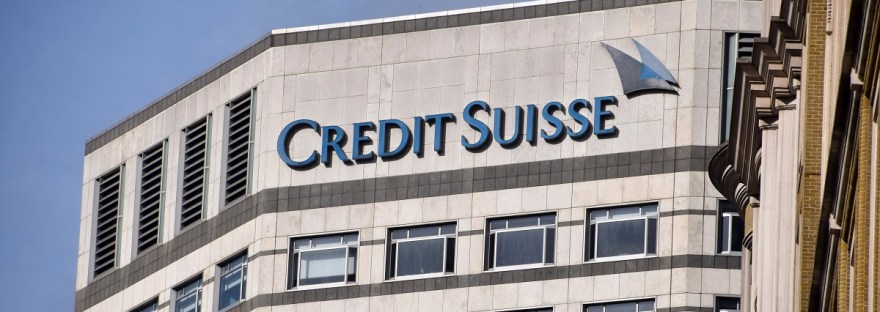
The Credit Suisse Collapse: What Went Wrong & What Are the Lessons?

Credit Suisse was once one of the world's leading banks, with a reputation for innovation and excellence. But in March 2023, it shocked the financial world by announcing that it had run out of cash and was being taken over by its rival UBS. How did this happen? And what can other banks learn from its demise? Credit Suisse's collapse is a cautionary tale for all banks that want to survive and thrive in the post-pandemic era. They need to be agile, customer-centric, and responsible if they want to avoid becoming obsolete or irrelevant.

Reflections, Ideas & Perspectives

Silicon Valley Bank: How Does a Bank Collapse in 48 Hours?

Silicon Valley Bank (SVB) was a well-capitalized institution seeking to raise some funds. Within 48 hours, a panic induced by the very venture capital community that SVB had served and nurtured ended the bank’s 40-year run. While relatively unknown outside of Silicon Valley, SVB was among the top 20 American commercial banks, with US$209 billion in total assets at the end of last year. Faced with higher interest rates, loss of IPOs, and a funding drought, SVB’s clients began pulling money out of the bank. Lenders somewhat similar to SVB are in an unfortunate situation. A failure to protect deposits over $250,000 could cause a loss of faith in other mid-sized banks. Analysts said SVB’s collapse is unlikely to set off the kind of domino effect that gripped the banking industry during the financial crisis.

Reflections, Ideas & Perspectives

Greed, Stupidity, & the Looming Recession: Lessons from a Samosa Seller

Banwarilal's samosa business serves as a parable for economic downturns, highlighting the impact of greed and poor decision-making. His son's fear-driven cost-cutting measures nearly led to the business's collapse during a recession. Returning to ethical practices, Banwarilal revived his business, illustrating the importance of quality and ethics for sustainable success. This story emphasizes the need for responsible and far-sighted economic practices to prevent future crises.

Reflections, Ideas & Perspectives

Global Finance vs. COVID-19: Strategies for Economic Stability

G7 finance ministers and central bank governors pledge to use policy tools against coronavirus threat, but effectiveness remains uncertain. Rate cuts have been swift but may be limited. Global economy faces potential impacts, including market downturn and decreased trade. COVID-19 presents major challenges, affecting economic and trade activities globally and in Iraq. Iraq faces dual crises with plummeting oil prices and trade disruptions amidst coronavirus outbreak. Fiscal deficits and vulnerabilities loom, but hope for containment and recovery persists.

Reflections, Ideas & Perspectives

The Dublin Bar Parable: A Lesson in Economic Missteps

Mary, a Dublin bar owner who offers "drink now, pay later" scheme, sees her sales boom, leading her local bank to increase her borrowing limit. The bank transforms these customer loans into securities, selling them to unaware investors. This leads to massive profits until the bank demands payment, resulting in Mary's bankruptcy and subsequent closure of the bar. The securities devalue, freezing economic activity and leading to job losses. Despite the economic struggles, the bank, brokers and executives are bailed out by the government, funded by non-drinkers' taxes. The story illustrates similarities with the 2007-08 economic crisis.