Banking Excellence & Financial Innovation

Navigating Iraq’s New Import Landscape: Understanding the CBI’s Prior Declaration System

Starting December 1, 2025, Iraq's Central Bank will mandate a Prior Declaration System for imports, enhancing financial transparency and combating fraud. The system links goods with financial transactions before currency transfers, improving customs revenues and modernizing trade. Importers must precisely document and coordinate with banks and customs to comply with new requirements.

Cybersecurity, Compliance & Risk Intelligence

Himachal Bank Cyber Fraud: A Wake-Up Call for Security

The Himachal Pradesh State Co-operative Bank suffered a major cyber fraud, losing ₹11.55 crore due to hackers compromising a customer's mobile phone. The attack involved installing a malicious app that enabled unauthorized access to the bank's systems, resulting in significant high-value transactions. This incident raises urgent concerns about cybersecurity in financial institutions, highlighting the need for improved defenses, employee training, and proper budgeting for security measures to protect customer trust and prevent operational disruptions in the future.

Banking Excellence & Financial Innovation, Enterprise Transformation & Innovation Strategy, Technology Trends & Competitive Advantage

Navigating the Future of Corporate Lending: Embracing Digital Change

The corporate lending and trade finance sectors are evolving due to digitalisation, AI, and global market dynamics, creating opportunities alongside challenges. Institutional investors and private credit funds are gaining prominence, requiring agility and transparency. Financial institutions must enhance digital services to meet client expectations while addressing a looming talent crisis as seasoned professionals retire. AI is transforming operations, and tokenisation may revolutionise trade finance, although standardisation hurdles exist. Adapting to these trends is essential for success.

Banking Excellence & Financial Innovation, Technology Trends & Competitive Advantage

How Banks Can Monetize Open Banking and Generate Revenue

Open banking is revolutionizing finance by enhancing customer control over data and creating new revenue sources for banks. By sharing data through APIs, banks can personalize services, form partnerships, and innovate. Challenges include compliance and security. Success depends on embracing technology and customer-centric strategies to thrive in this evolving ecosystem.

Leadership Journeys & Strategic Insights

Banking on Inclusion: A Maverick’s Tale of Financial Empowerment

In 1985, Hari Prasad joined a bank in Meerut and was instructed to double his department's deposits. Prompted by a peon's comment about sex workers always having money, Hari proposed to open bank accounts for this marginalized community. Despite initial resistance, the idea was successful, quickly doubling the bank’s deposits. This innovative approach proved controversial but ultimately led to financial inclusion for a typically excluded group, earning Hari the respect and support of both his colleagues and local community during a time when financial inclusion was in its early stages in India.

Reflections, Ideas & Perspectives

The Credit Suisse Collapse: What Went Wrong & What Are the Lessons?

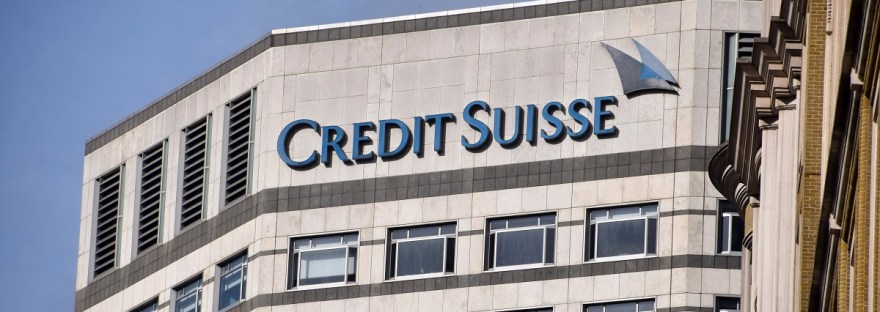
Credit Suisse was once one of the world's leading banks, with a reputation for innovation and excellence. But in March 2023, it shocked the financial world by announcing that it had run out of cash and was being taken over by its rival UBS. How did this happen? And what can other banks learn from its demise? Credit Suisse's collapse is a cautionary tale for all banks that want to survive and thrive in the post-pandemic era. They need to be agile, customer-centric, and responsible if they want to avoid becoming obsolete or irrelevant.

Reflections, Ideas & Perspectives

Silicon Valley Bank: How Does a Bank Collapse in 48 Hours?

Silicon Valley Bank (SVB) was a well-capitalized institution seeking to raise some funds. Within 48 hours, a panic induced by the very venture capital community that SVB had served and nurtured ended the bank’s 40-year run. While relatively unknown outside of Silicon Valley, SVB was among the top 20 American commercial banks, with US$209 billion in total assets at the end of last year. Faced with higher interest rates, loss of IPOs, and a funding drought, SVB’s clients began pulling money out of the bank. Lenders somewhat similar to SVB are in an unfortunate situation. A failure to protect deposits over $250,000 could cause a loss of faith in other mid-sized banks. Analysts said SVB’s collapse is unlikely to set off the kind of domino effect that gripped the banking industry during the financial crisis.


Reflections, Ideas & Perspectives

The Looming Specter of Recession: A Global Concern with an Indian Twist

Since the COVID-19 pandemic, the threat of global recession has grown due to central banks' efforts to control inflation. While advanced economies may face recession, India could see relief from falling global commodity prices. However, India's export and investment outlook may be affected by a potential US recession. Despite global uncertainties, India's recession probability remains low, with the economy showing signs of robust recovery. The impact of a US recession on India will depend on its severity, but India's resilient economy and strong domestic policies offer a relatively stable outlook.

Reflections, Ideas & Perspectives

The Indian Rupee’s Struggle: A Detailed Analysis

The Indian rupee has plunged more than 6 per cent against the US dollar this year and tumbled to record lows against the American currency in recent weeks, weighed down by broad strength in the greenback and as investors retreated from domestic share markets. This is in spite of the Indian central bank’s conviction and actions to stall a freefall. The Reserve Bank of India (RBI) has attempted to save the vulnerable rupee. The analysts say the dollar is likely going to remain strong for the next three months, possibly to the end of the year. The Fed wants to maintain a strong dollar so that the dollar can remain the world's major reserve currency.