
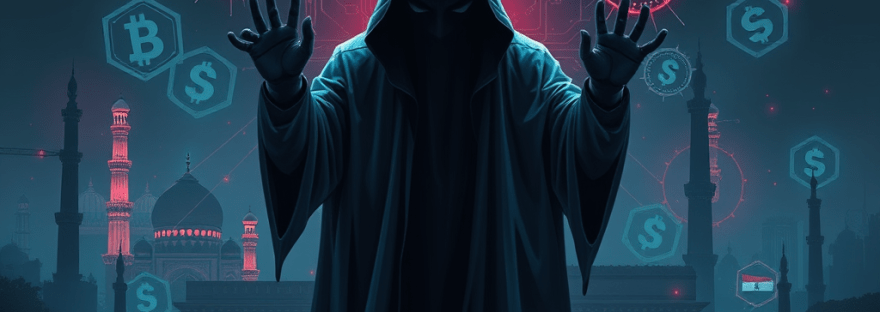
Synthetic Phishing utilizes AI-generated deepfakes and synthetic identities to execute highly convincing scams, posing an urgent threat to India's digital payments system. This new form of deception exploits trust and bypasses traditional security, especially targeting the instantaneous, irreversible nature of UPI. Banks, regulators, and users must upgrade defenses and digital literacy to protect the nation's financial future.
Tag: Risk Management
Global Banking Trends: Q1 2025 Insights
The latest BIS International Banking Statistics reveal significant trends in global finance for Q1 2025. Cross-border bank credit reached a record $34.7 trillion, driven mainly by a 14% growth in lending to non-bank financial institutions (NBFIs). Emerging markets received $100 billion in new credit, reflecting investor confidence. Additionally, foreign currency credit grew, with notable increases in euro credit. Analysts should reassess risk models and monitor economic fundamentals and geopolitical factors for sustained growth.
Himachal Bank Cyber Fraud: A Wake-Up Call for Security
The Himachal Pradesh State Co-operative Bank suffered a major cyber fraud, losing ₹11.55 crore due to hackers compromising a customer's mobile phone. The attack involved installing a malicious app that enabled unauthorized access to the bank's systems, resulting in significant high-value transactions. This incident raises urgent concerns about cybersecurity in financial institutions, highlighting the need for improved defenses, employee training, and proper budgeting for security measures to protect customer trust and prevent operational disruptions in the future.
Harnessing AI for Effective Business Continuity Planning
In a rapidly evolving technological landscape, businesses must prioritize resilience through Business Continuity Planning (BCP). AI enhances BCP by predicting risks, improving response times, and aiding recovery. Its capabilities in risk assessment, scenario planning, real-time crisis management, and post-crisis analysis bolster organisational preparedness. Despite challenges like data quality and ethical concerns, the advantages of integrating AI—such as proactive risk management and cost efficiency—position businesses to navigate disruptions effectively and thrive amid uncertainty.
The Evolution of Sanctions: From Ancient Greece to AI-Powered Compliance
In 432 BCE, tensions between Athens and Megara resulted in the Megarian Decree, an early economic sanction. Modern sanctions have evolved, exemplified by the U.S. and EU's financial restrictions on Russia after its 2022 invasion of Ukraine. AI is transforming compliance processes in the realm of sanctions, though human oversight remains essential. Financial institutions face both compliance challenges and legal risks, underscoring the need for meticulous records and adherence to regulations.
Lost in Space: A Lesson in Patience & Perseverance
Sunita Williams and Barry Wilmore found themselves stranded in space for 286 days after expecting a short mission aboard the ISS. They faced isolation and uncertainty yet adapted and persevered while contributing to scientific research. Their experience highlights that everyday setbacks, like delays and rejections, are minor compared to significant challenges. Patience, endurance, and problem-solving are essential qualities to cultivate for overcoming life's challenges.
The Cloud Data Catastrophe: Adarsh Developers and the ₹150 Crore Wake-Up Call
Bengaluru's Adarsh Developers filed a complaint against AWS for alleged data deletion causing ₹150 crore losses, emphasizing the importance of data management in cloud computing. This incident underlines the shared responsibility model, where cloud providers secure infrastructure, while customers must protect their data. Key lessons include the necessity of backups, access control, disaster recovery plans, and understanding service agreements to mitigate risks in cloud environments.
The Collapsing Giants of Trade Finance: Fraud, Oversight, and the Vulnerability of Non-Bank Lenders
The recent insolvencies in the trade finance industry, notably the collapses of Stenn and Kimura, have raised serious concerns about the sector's inherent risks, including fraud and poor oversight. Stenn's downfall stemmed from allegations of money laundering, while Kimura's exit was strategic amid market pressures. These events, reminiscent of Greensill's 2021 failure, highlight the need for improved oversight and transparency to safeguard the industry’s future and prevent further crises.
The Boston Tea Party: A Timeless Lesson in Supply Chain Disruption
The Boston Tea Party in December 1773 exemplified the impact of supply chain disruptions, highlighting their role in historical movements and modern commerce. Today's global supply chains face challenges from pandemics, natural disasters, and cyberattacks. Emphasising resilience, businesses must diversify suppliers, optimise inventory, adopt technology, assess risks, and strengthen partnerships to navigate future uncertainties effectively.