The Mahakumbh, the largest spiritual gathering, unites over 450 million participants for a month and a half of celebration, merging faith and commerce. It presents brands with opportunities to foster trust through innovative, purpose-driven marketing instead of conventional advertising. Successful campaigns have resonated with attendees by addressing their needs, such as hygiene and environmental sustainability. Effective strategies enhance the pilgrim experience while respecting the sacred nature of the event. As Mahakumbh evolves, balancing commercial interests with spirituality is crucial for brands aiming to connect authentically with participants, emphasizing health, eco-consciousness, and community support as essentials for meaningful engagement.

Tag: Social Responsibility
The Concept of Ethical Banking: A Modern Approach to Financial Responsibility
Ethical banking prioritizes social and environmental impacts alongside profit, fostering transparency and accountability. It avoids investments in industries like fossil fuels and promotes projects benefiting society, such as renewable energy. This trend is growing in India, reflecting a shift toward sustainable financial practices. Ethical banking aims for long-term profitability by aligning with societal values.
The Names We Carry: A Glimpse into Rural Banking in India
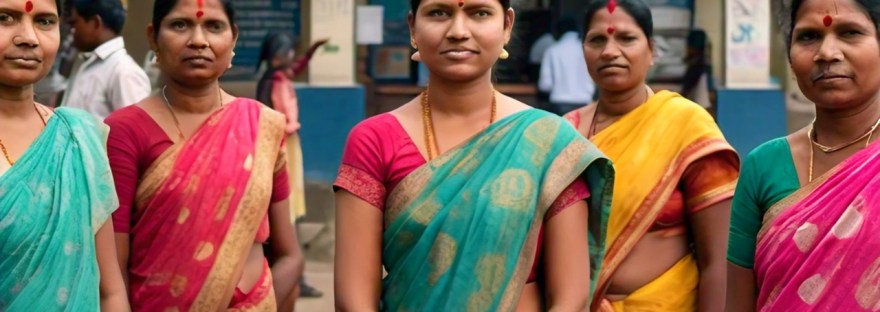
In the banking sector, I encountered unforgettable names and stories, each reflecting people's lives. Quirky names like Boroline Bibi and Sheikh Boroplus, and peculiar expressions became part of everyday life. Meeting customers in rural branches showed me the real India, facing prejudices and hardship but also resilience and hope. Names are more than identifiers; they are stories and burdens, shaping a larger narrative of culture and humanity.
Banking on Inclusion: A Maverick’s Tale of Financial Empowerment
In 1985, Hari Prasad joined a bank in Meerut and was instructed to double his department's deposits. Prompted by a peon's comment about sex workers always having money, Hari proposed to open bank accounts for this marginalized community. Despite initial resistance, the idea was successful, quickly doubling the bank’s deposits. This innovative approach proved controversial but ultimately led to financial inclusion for a typically excluded group, earning Hari the respect and support of both his colleagues and local community during a time when financial inclusion was in its early stages in India.