
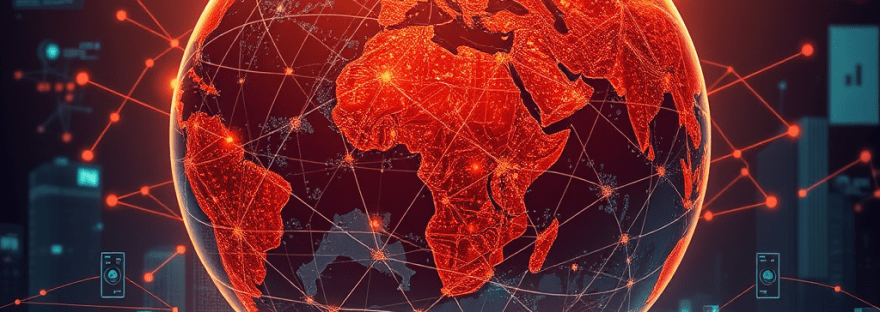
Artificial intelligence (AI) is rapidly reshaping economies across the globe, with profound implications for labour markets, productivity, and inequality. While the Asia-Pacific region provides a microcosm of AI’s diverse impacts, these trends echo globally. Advanced economies such as Singapore and the United States are better positioned to harness AI’s benefits while emerging and developing markets face distinct challenges. Let’s explore how AI might influence labour markets worldwide and what policymakers can do to navigate this transformation.
The Global Impact of AI on Economies
AI’s effects on labour markets are uneven across regions. In advanced economies, about half of all jobs are exposed to AI, offering significant opportunities for productivity enhancement. For example, roles in sectors such as healthcare, finance, and technology are increasingly augmented by AI tools, enabling more efficient operations and decision-making. Meanwhile, in emerging and developing markets, only about a quarter of jobs are exposed to AI, reflecting a lower level of technological integration and readiness.
In countries like Singapore, around 40% of jobs are rated as highly complementary to AI, indicating strong potential for AI to boost productivity without significant displacement. In contrast, regions like Sub-Saharan Africa or Southeast Asia have fewer such roles, highlighting disparities in AI’s potential benefits.
Inequality Between and Within Countries
The uneven adoption of AI risks exacerbating inequality on a global scale. Advanced economies with better infrastructure, skilled workforces, and resources for AI development are positioned to benefit the most. Conversely, many developing nations lack the resources to integrate AI effectively, widening the gap between high- and low-income countries.
Within nations, AI’s impact on labour markets can deepen existing inequalities. Workers in service, sales, and clerical support roles are particularly vulnerable to displacement, regardless of the country. In contrast, managerial, professional, and technical roles—often better paid and more secure—are more likely to benefit from AI augmentation. Gender disparities are also evident, with women disproportionately represented in roles at higher risk of AI-driven disruption, such as clerical and service positions. Men, by comparison, dominate occupations like machine operations and agriculture, which are less impacted by AI in the short term.
Addressing the Challenges: Policy Recommendations
To navigate the global challenges posed by AI, policymakers must adopt strategies that foster inclusive growth and mitigate the risks of inequality:
- Strengthen Social Safety Nets and Reskilling Programs: Globally, comprehensive support systems are essential for displaced workers. Reskilling initiatives should focus on equipping individuals with the skills needed for AI-complementary roles, ensuring smoother transitions in both advanced and developing economies.
- Invest in Education and Training: Education systems worldwide must adapt to the AI era by emphasizing critical thinking, technical skills, and adaptability. In emerging economies, investments in education and training are especially crucial to prepare the workforce for AI-driven industries and foster innovation.
- Promote Ethical AI Use and Data Protection: International cooperation is needed to establish robust regulations that ensure ethical AI use and safeguard data privacy. Such frameworks can mitigate risks while maximizing AI’s potential to drive global productivity and economic growth.
- Encourage Global Collaboration: To bridge the gap between nations, developed countries and international organizations should support technology transfer, capacity building, and investments in AI infrastructure for developing regions. Collaborative efforts can ensure that AI’s benefits are more equitably distributed.
Looking Ahead
AI presents both opportunities and challenges on a global scale. While advanced economies stand to gain the most, the technology’s uneven adoption could deepen existing inequalities. By prioritizing inclusive policies, fostering international collaboration, and ensuring ethical AI development, governments can help ensure that the benefits of AI are broadly shared.
The future of AI will shape the global economic landscape. Proactive measures today—from reskilling initiatives to ethical regulations—can pave the way for a more equitable and prosperous world.
 Indrajit Roy Choudhury
Well said. The future of AI will shape the global economic landscape.
Thanks, sir. You’re right.