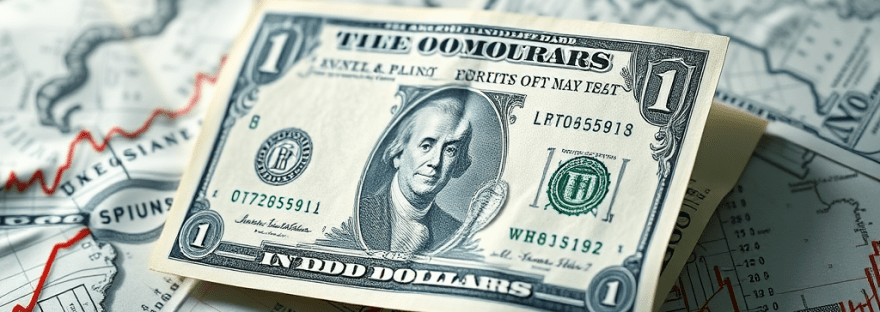
Iraq has devalued its dinar from 1,320 to 1,520 per US dollar, marking its first adjustment since 2023. This 13% loss in dinar value aims to support domestic industries and attract non-oil investments, but analysts suggest it’s largely a response to oil revenue shocks due to the Iran war. While some project costs will rise, inflation risks persist and depend on market dynamics. The sustainability of this rate hinges on resolving budget deficits and improving economic conditions.

Tag: economy
Navigating a Precarious World: Four Fault Lines in the Global Economy
Global growth held up through 2025 despite shocks, then war in the Middle East disrupted energy and trade. The IMF's 2026 report spotlights four fault lines: mounting debt, AI's uneven payoff, strained trade resilience, and fast-moving digital finance — testing how adaptable economies can really be.
The Fed’s Global Backstop: Powell’s Reassurance & the Dollar Funding Market
Federal Reserve Chair Jerome Powell emphasized the Fed's readiness to provide dollar liquidity to foreign central banks via swap lines amid rising global financial uncertainty. His statement highlights the Fed's vital role in stabilizing the international dollar funding market, essential for global trade and banking stability. While larger emerging markets have access to these resources, many smaller economies remain vulnerable, underscoring the need for diverse funding strategies.
Navigating the U.S. Trade Deficit: Insights for Economic Stability
Amidst alarming headlines about a potential U.S. financial crisis driven by "twin deficits," the reality is more nuanced. The U.S. dollar's status as the global reserve currency allows for sustainable debt management. While concerns about public debt exist, historical context shows the U.S. economy possesses unique strengths, such as a services surplus and the ability to control monetary policy, enabling it to navigate challenges effectively.
How Will AI Transform Global Economies? Exploring Opportunities and Challenges
AI is indeed revolutionizing economies, but its benefits are disproportionately distributed, with advanced nations reaping more advantages compared to developing countries. To create a fair future, it is essential to implement inclusive policies, foster international cooperation, and prioritize the ethical development of AI technologies.
Rupee in Retreat: Factors Fueling India’s Currency Slide
In 2024, the Indian rupee depreciated by about 3%, highlighting a 20% decline over five years. Factors include a demand-supply mismatch, persistent current account deficit, higher inflation, slow GDP growth, and US interest rates. To stabilize the rupee, India must boost exports, attract investments, manage inflation, and strengthen production.